
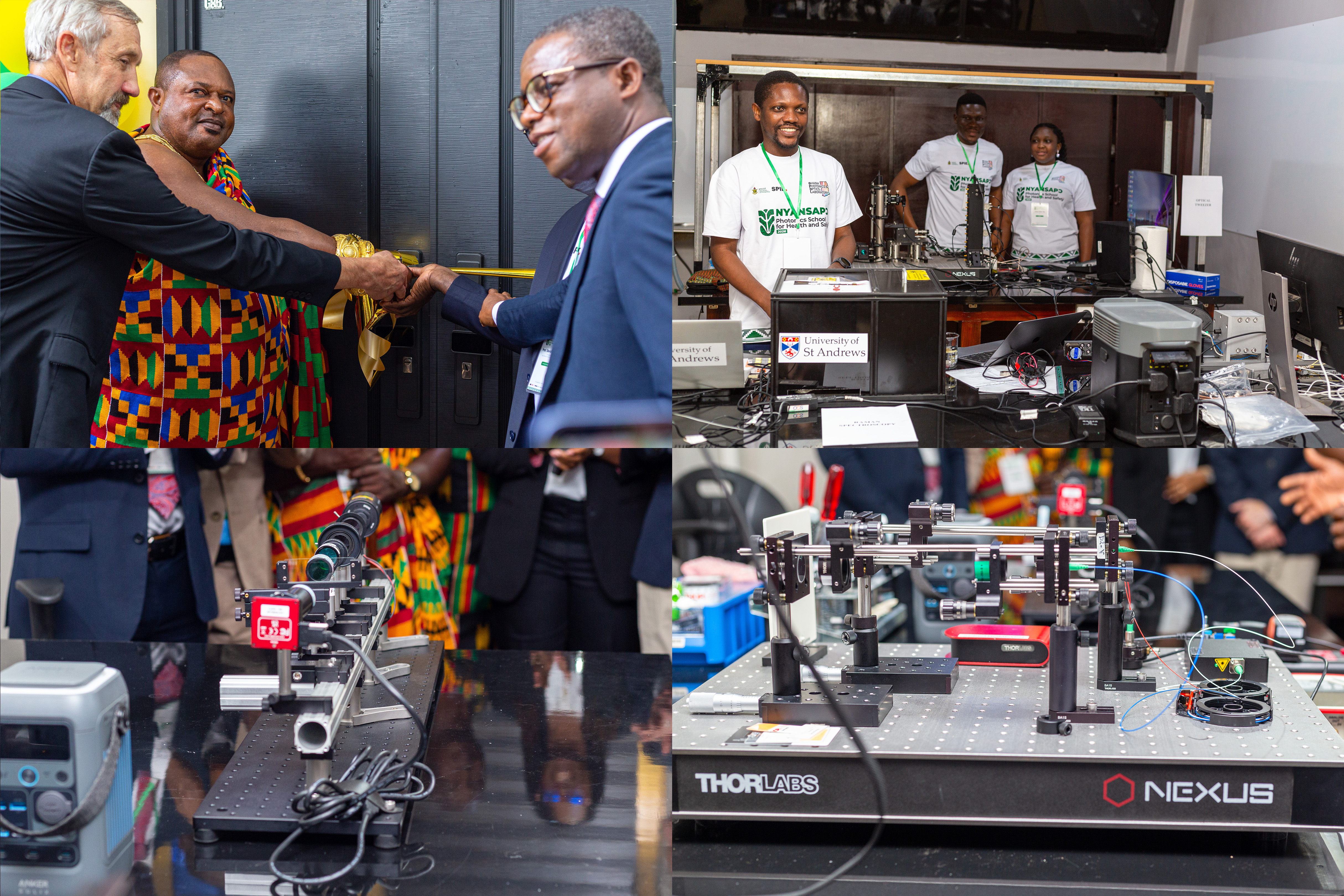
The Kwame Nkrumah University of Science and Technology, Kumasi (KNUST) has launched the Ghana Photonics and Optics Laboratory (GPOL) to strengthen Ghana’s capacity in photonics research, scientific measurement and technology development.
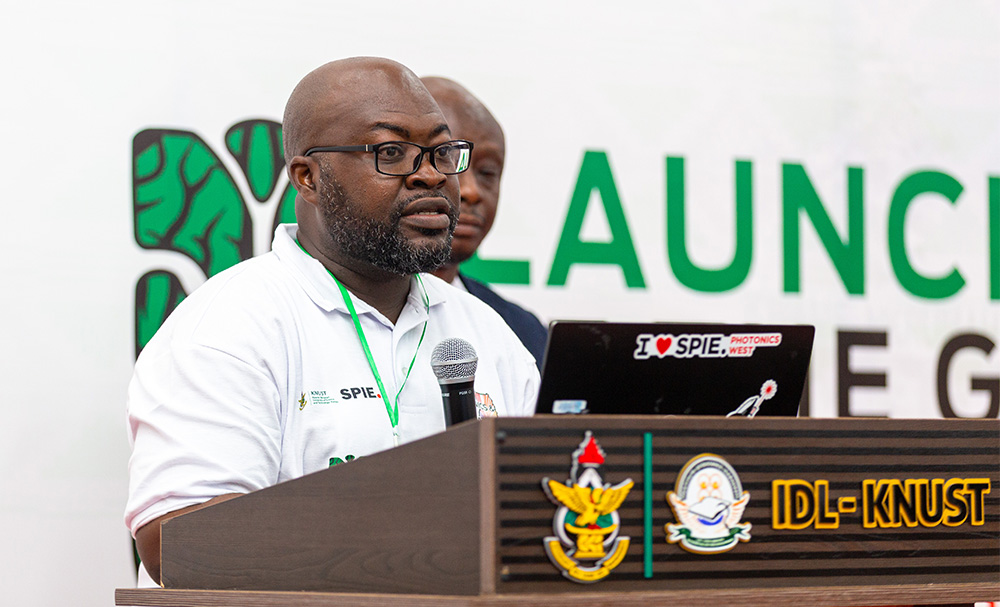
Co-Principal Investigators of GPOL, Dr Akyana Britwum and Dr Michael Kweku Edem Donkor, said the laboratory’s mission was to build Ghana’s capacity in photonics and optics through teaching, training, and basic and applied research at KNUST.
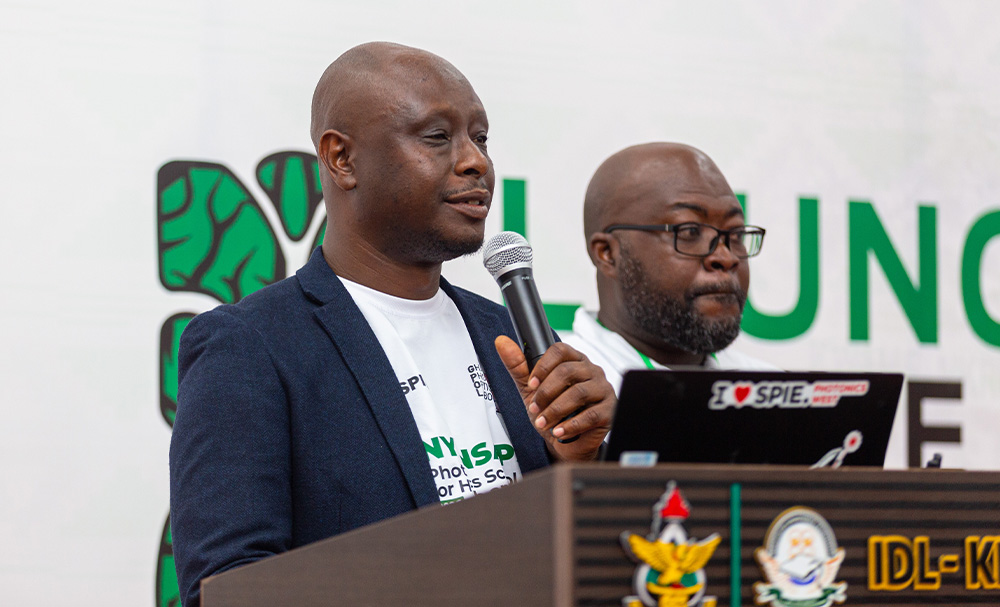
Dr Britwum said GPOL was already developing research collaborations, training students and creating opportunities for researchers to engage with international scientific networks, while seeking to expand its partnerships and research capacity.
He said the laboratory’s growth should be measured not only by its equipment but also by the people being trained, research being produced and partnerships being developed.
Dr Donkor called for sustained support to maintain the laboratory’s momentum.
“GPOL is built, running and producing results, we therefore ask partners in Ghana and beyond to invest in our people, our instruments, and the space to grow,” he remarked.
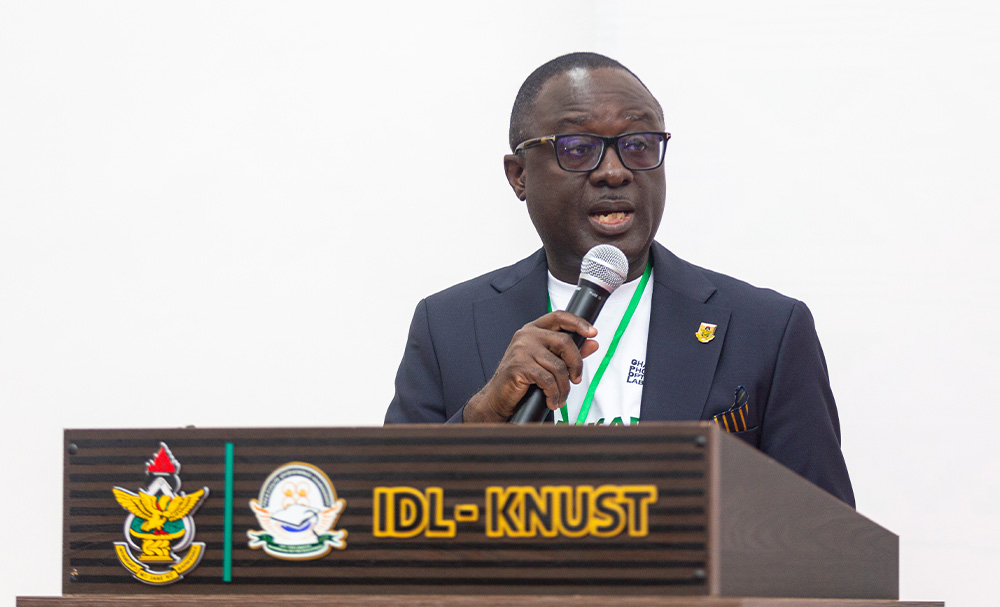
The Pro Vice-Chancellor, Professor David Asamoah, representing the Vice-Chancellor, said GPOL would help Ghana develop the capacity to undertake critical measurements locally, particularly in healthcare, environmental safety, agriculture and trade.
“Almost every decision Ghana makes about safety and about trade rests on a measurement. For a long time both the instruments and the verdicts have come from outside this country. A laboratory like this one is how that begins to change: how we come to make our own measurements, and how we come to be believed when we report them,” Professor Asamoah said.
He said KNUST was committed to supporting GPOL to grow beyond a single laboratory into a centre of excellence for photonics in Ghana and the region through postgraduate programmes, research opportunities and sustained institutional support.
“What opens this morning should still be here, and larger, in twenty years, and KNUST intends to make sure of it,” he said.
Professor Asamoah also called on government institutions, regulators, industry and development partners to use and support the laboratory, saying its capabilities could contribute to addressing practical national challenges.
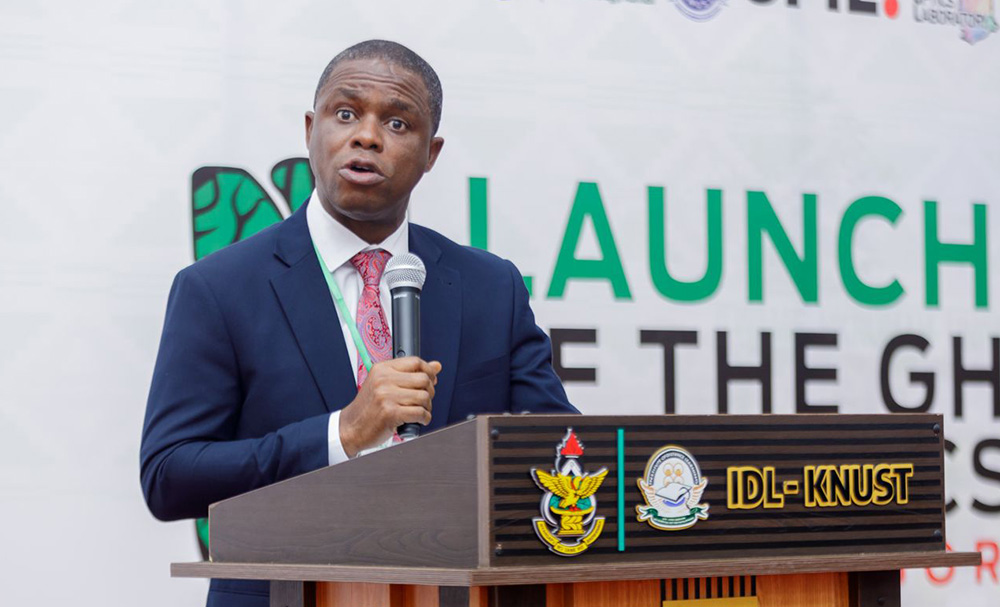
Provost of the College of Science, Professor Philip Antwi-Agyei, said photonics, the science and engineering of light, underpins technologies used to analyse medicines, detect parasites in blood, measure substances in water and soil, and transmit communications through optical fibre.
“A country that cannot use light well must buy its answers from other people. That is where Ghana has been, and it is what this laboratory has been built to change,” Professor Antwi-Agyei said.
He said GPOL was also creating opportunities for collaboration across disciplines, enabling scientists in fields including chemistry, biology, medicine, food science and engineering to apply photonics to their research.
“What a laboratory like this really offers a university is tools that allow us to ask the questions that matter to us and answer them here,” he said.
Professor Antwi-Agyei commended Dr Britwum and Dr Donkor for leading the development of GPOL into a facility equipped with research-grade instruments, teaching capacity and international research partnerships.
He said the laboratory also had an outreach programme that had reached more than 6,000 people across Ghana since 2024.
Professor Antwi-Agyei acknowledged the support of SPIE, Optica, Thorlabs, Menlo Systems, the University of Waterloo’s Institute for Quantum Computing, KNUST Management, the Office of Grants and Research, the International Programmes Office and other partners.
He said the establishment of GPOL reflected KNUST’s deliberate investment in scientific research and its commitment to developing solutions through science and innovation.
“KNUST takes science seriously,” he said. “A laboratory of this kind does not appear by accident. It is the result of a deliberate decision to invest, and of an institution willing to back its scientists while the work was still only a proposal.”
The launch formed part of the NYANSAPƆ Photonics School for Health and Safety, which brought together 38 students from six African countries for practical laboratory sessions and lectures delivered by faculty members from Spain, the United States, the United Kingdom, France, Côte d’Ivoire and Togo.
Dr Peter de Groot, Chair of the GPOL Advisory Board and 2025 President of SPIE, said overcoming barriers, building capacity, conducting high-quality science and encouraging entrepreneurship were critical in a rapidly changing world.
Sharing his perspectives on science education and development, he said SPIE could help provide opportunities, but ultimately success depended on the individual.
“Our role is to assist and not replace,” he said.
Story: Abigail Ofori Photos: Isaac Kwaku Duah


